One wine, many readers
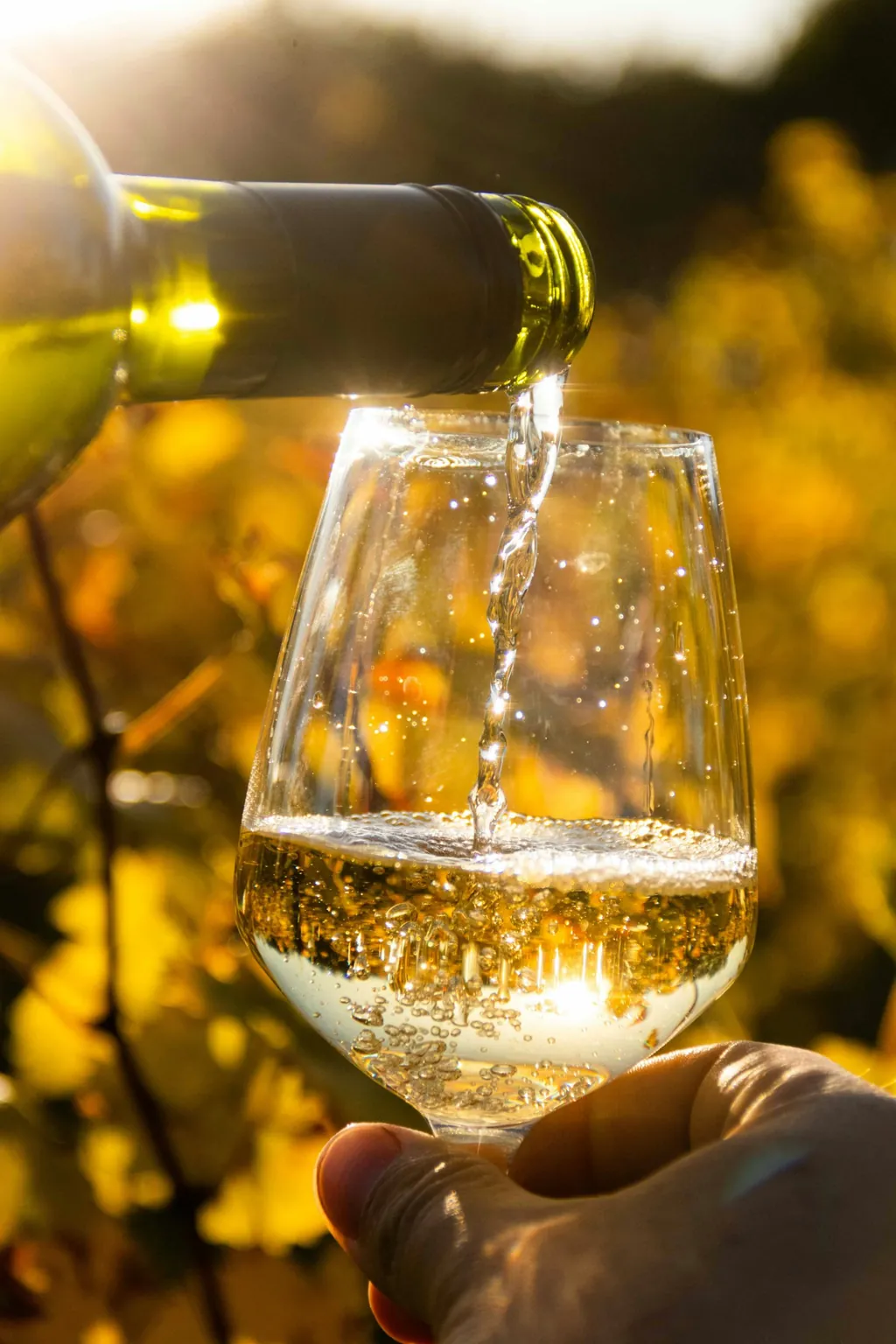
Native grape varieties, terroir, winemaking and ageing choices, the character of the estate and its appellations are what make a wine recognisable. For spirits, the raw material, distillation method and ageing come first.
Each reader approaches a text differently. Importers want clear, comparable information; sommeliers expect precise terminology; restaurateurs need guidance on service and food pairings; consumers are looking for an experience. Register and content have to shift accordingly, without losing consistency.
Consistency matters in its own right. The same wine described differently on the website, in a technical sheet and in a catalogue creates confusion. A winery glossary shared across all materials keeps wine names, grape varieties and descriptors aligned from one market to the next.
We help wineries and distilleries write with both precision and character, adapting terminology, register and content to each audience while staying true to the identity of the brand.
The right words make all the difference
Italian
Al naso note di frutta a polpa bianca e fiori di campo; in bocca è fresco e sapido.
English
Notes of white-fleshed fruit and wildflowers on the nose; fresh and savoury on the palate.
The choice
On the nose and on the palate are the established conventions of tasting notes. The Italian sapido is one of the trickiest descriptors. Saline fits when a salty impression dominates; savoury suggests a broader sensation that is not necessarily salty. Some writers also use sapid, though it is less common. The right choice depends on the wine itself and is best agreed with the people who know it.
Illustrative example, not taken from client work. More examples in The language of taste.
How we can help
Every project starts from your materials and the markets you want to reach. For this sector we work in particular on:
- Technical sheets and tasting notes
- Winery websites and e-commerce
- Terminology management for wines, grape varieties and descriptors
- Trade fair materials and interpreting for tastings and cellar visits
Discover all our translation and multilingual communication services.